The freedom of the open road is calling right now. Mobile internet is better than ever before. You no longer have to wait until retirement to answer that call.
But trading a solid foundation for four wheels brings many confusing choices. You have to figure out budgets. You have to choose the right rig and handle completely new logistics.
We will walk you through the exact and actionable steps to make this happen. You will learn how to choose the perfect RV for your needs. We will help you accurately project your monthly costs and safely hit the road.
How to Define Your Travel Style
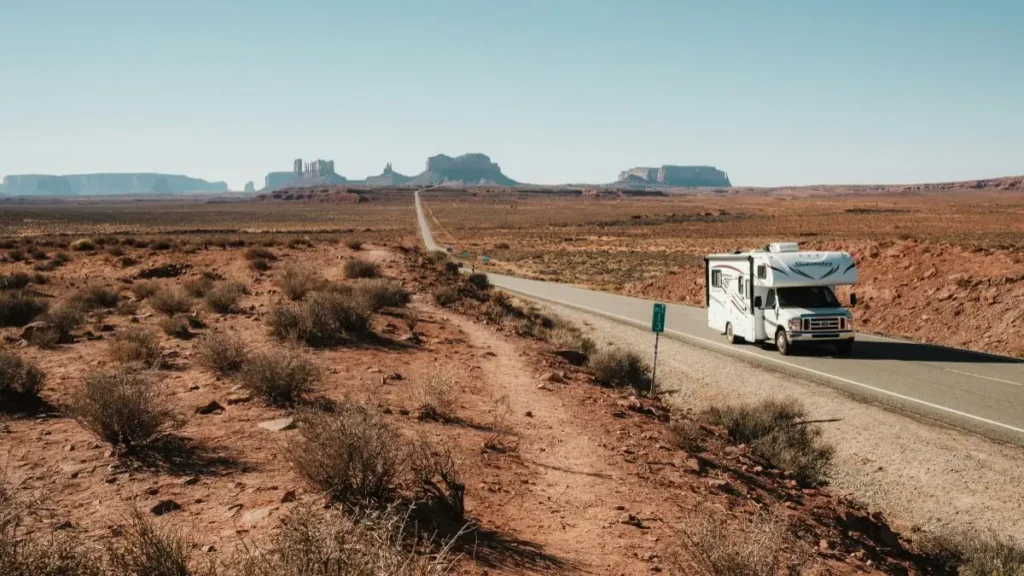
Do you want to move to a new state every week? Or do you want to stay in one place for months at a time? This is the very first question you must answer.
Your travel style dictates everything else. Stationary living is vastly different from constant travel. Stationary living means you park your camper at one location for a long time.
Constant travel means you are constantly driving and setting up camp. Each choice requires a completely different type of camper.
You also need to decide between boondocking and luxury RV resorts. Boondocking means you camp without being plugged into water or power. You rely completely on your own batteries and water tanks.
Luxury resorts offer full hookups and amenities. Both are great options. But they require totally different budgets.
Traveling with pets is another huge factor. Current demographic reports show that 43 percent of current RVers say traveling with pets is a top motivator. You need to make sure your camper has enough floor space for your dog or cat.
Working remotely also changes things. You will need a dedicated workspace inside your small home.
But it gets better:
You do not have to figure this out alone. A solid beginner RV lifestyle guide always starts with knowing what you actually want. Studies show that 58 percent of people just want to unwind.
Decide what brings you peace before you spend a single dollar.
Mini Action Task: Write down your perfect week on the road. Do you see yourself working in a quiet forest or relaxing at a busy beach resort?
3 Ways to Choose the Right RV for Your Budget
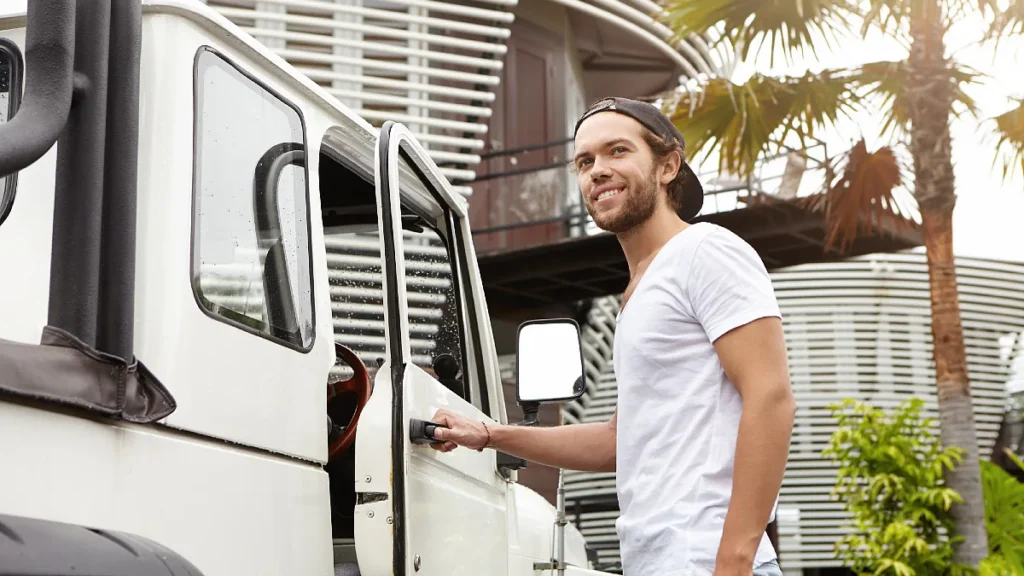
Think you need a massive motorhome to live comfortably? Think again. Choosing an RV for beginners comes down to matching your rig to your specific budget and travel style.
You have two main categories to pick from. First, you have towables. This group includes travel trailers and fifth wheels.
You have to pull these with a separate truck or SUV. Second, you have motorhomes. This group includes Class A, Class B, and Class C motorhomes.
You drive these because the engine is built right into the living space.
In 2026, baseline pricing varies wildly. Basic travel trailers start around $10,000. Meanwhile, luxury Class A motorhomes easily range from $100,000 to $300,000 plus.
Here is why that matters:
Most beginners buy a brand new rig right away. This is usually a mistake. New campers lose value the second you drive them off the lot.
Used campers have already taken that depreciation hit. Buying used saves you thousands of dollars up front. It also means the previous owner probably fixed the initial factory defects.
But there is an even better option. You should always rent first. Platforms like RVshare let you rent different types of campers for a few days.
You can try a small travel trailer one weekend. Then you can try a Class C motorhome the next weekend. This prevents extremely costly mistakes.
You might realize you hate towing a trailer. Or you might realize a large motorhome is too stressful to drive.
According to the RV Industry Association demographic reports, 16.9 million households express strong interest in purchasing a camper.
Do not rush into being part of that statistic without testing the waters first. Renting gives you actual road experience.
How to Map Out Your RV Living Costs

Once your rig is chosen, the next immediate hurdle is funding the lifestyle. You need to know exactly what full time RV living costs will look like for you. Your budget is the single most important factor for success on the road.
Your budget breaks down into two categories. You have fixed costs and variable costs. Fixed costs stay exactly the same every single month.
These include things like insurance, rig payments, and internet connectivity. Variable costs change constantly. These include fuel, campground fees, and food.
The average monthly RV living budget for full time living in 2026 is between $1,600 and $3,500. You have total control over where you fall on that scale. Let us look at a stark contrast.
A $1,500 per month boondocking budget is very lean. It means you camp for free on public land. It also means you cook all your meals inside and drive very few miles.
Compare that to a $3,500 plus per month resort budget. This high end budget includes staying at premium parks. It includes eating at restaurants and driving long distances.
Fuel is a massive variable cost. Fuel efficiency averages just 6 to 10 MPG for a Class A motorhome. A Class C motorhome gets slightly better gas mileage at 8 to 14 MPG.
If you drive a lot, your fuel bill will skyrocket.
Here is the truth:
The biggest hidden expense is maintenance. Certified technicians warn people about this constantly. You must budget $1,500 to $5,000 annually just for repairs and upkeep.
| Expense Category | Lean Boondocking Budget | Luxury Resort Budget |
| Campground Fees | $0 on public land | $1,200 at premium parks |
| Fuel and Gas | $300 for slow travel | $800 for constant moving |
| Food and Groceries | $600 cooking all meals | $900 eating out often |
| Repair Fund | $300 saved for emergencies | $300 saved for emergencies |
| Internet and Fun | $300 for basic connections | $300 for basic connections |
| Total Monthly Cost | $1,500 | $3,500 |
RV shop labor rates easily hit $120 plus per hour in 2026. Things will break. Your home is essentially experiencing an earthquake every time you drive down the highway.
You need an emergency fund specifically for repairs. A blown tire or a broken water heater can ruin your month if you are not prepared. Financial control comes from expecting these issues.
Mini Action Task: Track your current monthly expenses for 30 days to build a realistic baseline for your future budget.
How to Downsize and Handle Logistics
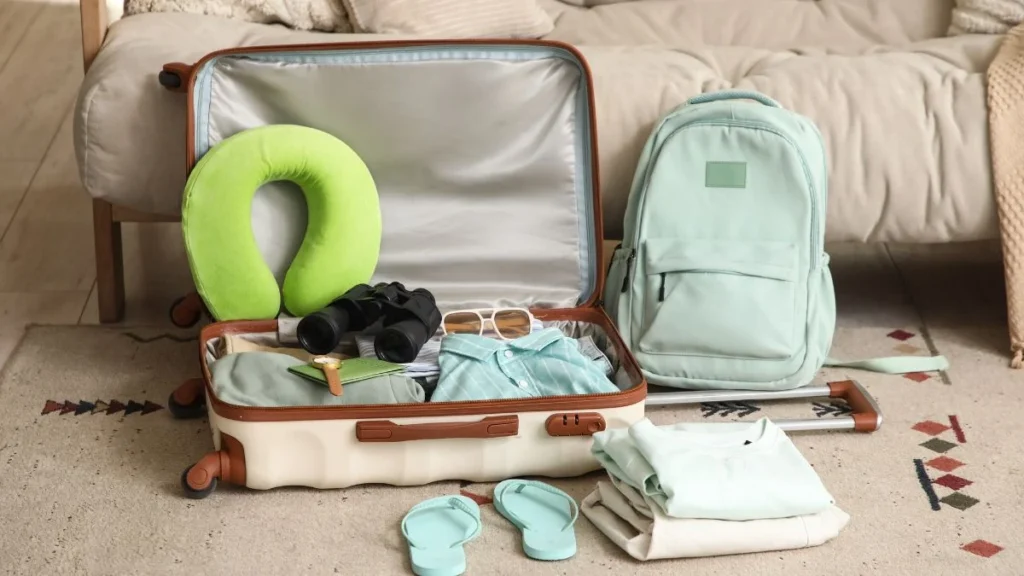
Transitioning to RV life requires you to get rid of most of your physical possessions. You simply cannot fit a regular house into a tiny camper. This process takes time and serious effort.
You should follow a strict 6 month decluttering timeline. Do not try to pack up your house in a single weekend. Start by using the One In One Out rule.
Every time you bring a new item into your house, you must throw away or donate an old item. This slowly trains your brain to live with less stuff.
But getting rid of things is only half the battle. You also have to handle legal logistics.
You must establish a legal domicile. A domicile is your official state of residence for tax and voting purposes. You cannot just use a random PO Box.
Popular states for this are Florida, Texas, and South Dakota. These states have friendly tax laws and make the process easy for nomads.
Here are the chronological steps to establish your new domicile:
How to Establish Your New Legal Home
Turn your chosen state into your official home base with a clear, step-by-step setup plan.
Your five-step setup
-
Step One
Choose a Mail Forwarding Service
Select a reliable provider that operates in your chosen domicile state.
-
Step Two
Secure Your New Address
Complete enrollment and receive a legal physical address for official records.
-
Step Three
Visit the State in Person
Plan an in-person trip so you can complete any state residency requirements.
-
Step Four
Register Vehicles and Get Licensed
Use the new address to obtain your driver license and vehicle registrations.
-
Step Five
Update Every Important Account
Change your address with insurance, banks, and voter registration to keep records consistent.
Managing mail on the road is actually quite simple now. Services like the Escapees RV Club offer premium mail forwarding. They receive your physical mail.
Then they scan the envelopes and let you view them online. You can tell them to open and scan the contents, forward the mail to a campground, or shred it completely.
Mini Action Task: Pick one closet in your house this weekend. Empty it completely and donate everything you have not used in a year.
3 Essential RV Tech Tools for 2026
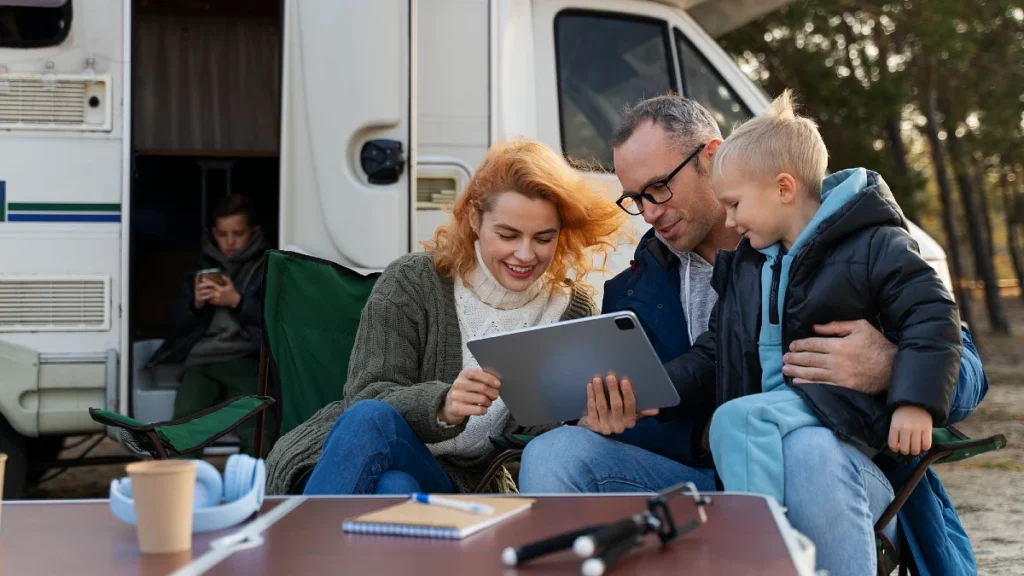
Living on the road requires completely different gear than living in a traditional house. You need reliable systems for power, internet, and basic safety. Buying the right RV gear for beginners saves you from major headaches later.
Connectivity is the most vital requirement for remote work. You cannot rely on terrible campground WiFi. You need your own connection.
A Starlink Roam dish is incredibly popular right now. 5G cellular routers are also excellent options for reliable internet. Many people use both systems to ensure they never lose connection during an important video call.
Next, you need a robust power system for boondocking. Boondocking is camping in the wild without being plugged into electricity. An off grid RV setup lets you run your lights and laptops using the sun.
A comprehensive off grid setup with lithium batteries and a minimum 400 watt solar array starts around $3,000. It is a heavy upfront cost. But it pays for itself by letting you camp for free on public land.
Here is the truth about safety:
You absolutely need a water pressure regulator. Campgrounds have wildly different water pressures. High pressure can literally blow the plumbing pipes right out of your camper walls.
A simple brass regulator stops this from happening. You also must buy a high quality surge protector.
This plugs into the campground power pole before you plug in your camper. Bad wiring at a campground can destroy all the electronics inside your rig. A surge protector takes the hit and saves your expensive appliances.
Mini Action Task: Create a master checklist of gear you actually need. Prioritize safety items like a surge protector before buying fun gadgets.
Route Planning for Safe Driving

Driving a massive camper is nothing like driving a small car. You have to plan every single move very carefully. Route planning for RVs prevents terrible accidents and massive amounts of stress.
You should always follow the 330 Rule for safe driving. The rule is simple. You stop driving after 330 miles, or you stop driving by 3:30 PM. Whichever comes first.
Driving a heavy rig takes intense mental focus. Stopping early ensures you never drive while exhausted. It also ensures you arrive at your campground while the sun is still shining.
Parking a rig in the dark is a miserable experience. You also have to avoid low clearance bridges. A standard GPS app on your phone will route you under bridges that will rip the roof right off your camper.
You must use specialized routing tools. Apps like RV LIFE Trip Wizard allow you to input your exact height and weight. The app then creates an RV safe GPS route.
It keeps you far away from dangerous bridges and steep mountain grades.
Finding places to sleep is much easier with the right tools. Harvest Hosts gives you access to over 9,500 unique overnight stays. You can sleep at farms, wineries, and museums.
Apps like Campendium and Togo RV help you find dump stations and read reviews from other travelers. Private campground fees average $50 to $70 per night right now. Good apps help you find discounts and better options.
Mini Action Task: Download a specialized routing app right now. Input the height and weight of the camper you plan to buy or rent.
Conclusion
Learning how to start RV living requires a solid plan and realistic expectations. You must start by clearly defining your travel style. Then you need to pick a rig that matches your specific goals.
You also have to build a highly accurate budget and equip your new tiny home with the right safety tools.